FIELD NOTES
• Art Basel 2026 suggests that contemporary art is searching for its next direction without having found it yet.
• Nostalgia, algorithms, nature and digital aesthetics recur throughout the fair, but none has yet emerged as a defining new language.
• The market’s renewed confidence in historical references may reflect uncertainty about the present as much as confidence in the past.
• Contemporary art often serves as a laboratory for culture. Its current uncertainty may foreshadow a broader transformation in how meaningful content will be created in the age of AI.
• If a genuine renewal is coming, it may well begin somewhere beyond the centre of the art market.
So far the talk has been of numbers, trends and markets. But I didn’t travel to Basel for the statistics. The point was to come away with some overall impression of the state of contemporary art.
Like it or not, one of the forces acting on contemporary art is business, and there is no better vantage point on it than Basel. This time what stood out most clearly was a trust in the old masters — which can just as easily be read as a distrust of the present, and of the living.
This year’s visit did nothing to dispel my sense that contemporary art is in a kind of irresolution. But is it seizing up for good, or renewing itself? I fervently hope for the latter. If contemporary art too simply fades away, then these — quite possibly the final years of the familiar Western way of life — will be, on top of every other kind of decline, appallingly boring.
But there’s nothing for it but to get down to the spadework. Here are a few observations I take to be symptomatic. What seems to connect them, at least, is that the work tries to seek — or at least to shore up — its justification from outside itself.
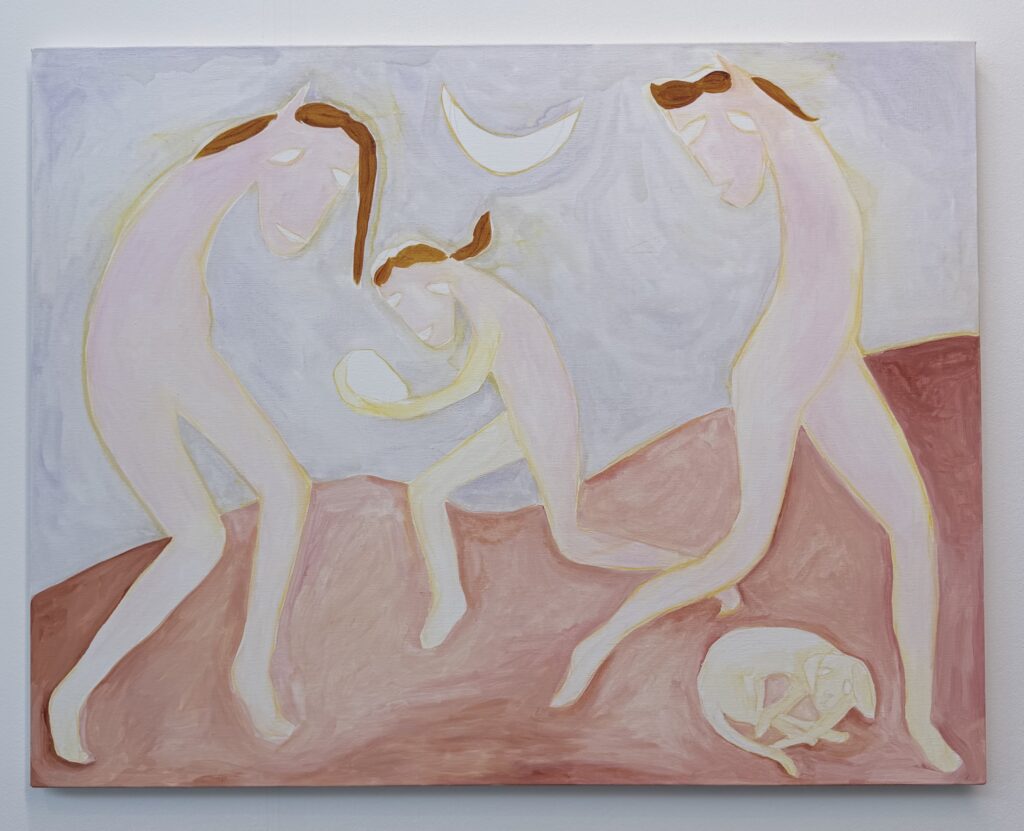
Painting especially seems to curl ever more obsessively around the turning-over of certain aesthetic systems. At its most interesting it approaches the cold, lifeless vistas of Dada, which had a similar quality of distanced illustration. But in Dada it was a matter of deliberate provocation; of the grounds for this present phenomenon I’m less sure. Maybe I’m simply too poorly versed in the current state of painting, but I seem to see everywhere recycled styles and gratuitous art-historical references that don’t even appear to want to add anything. Not that that’s forbidden either — art is free, after all. But so am I. And I, for one, want at least some kind of depth to my art.
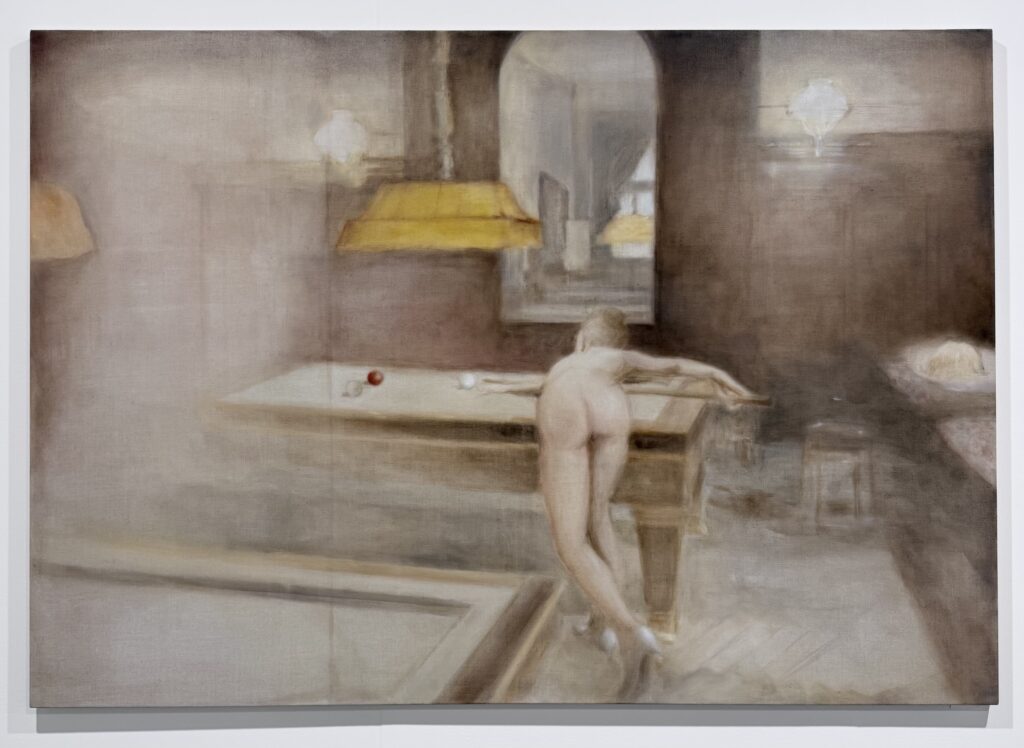
Untitled, 2026
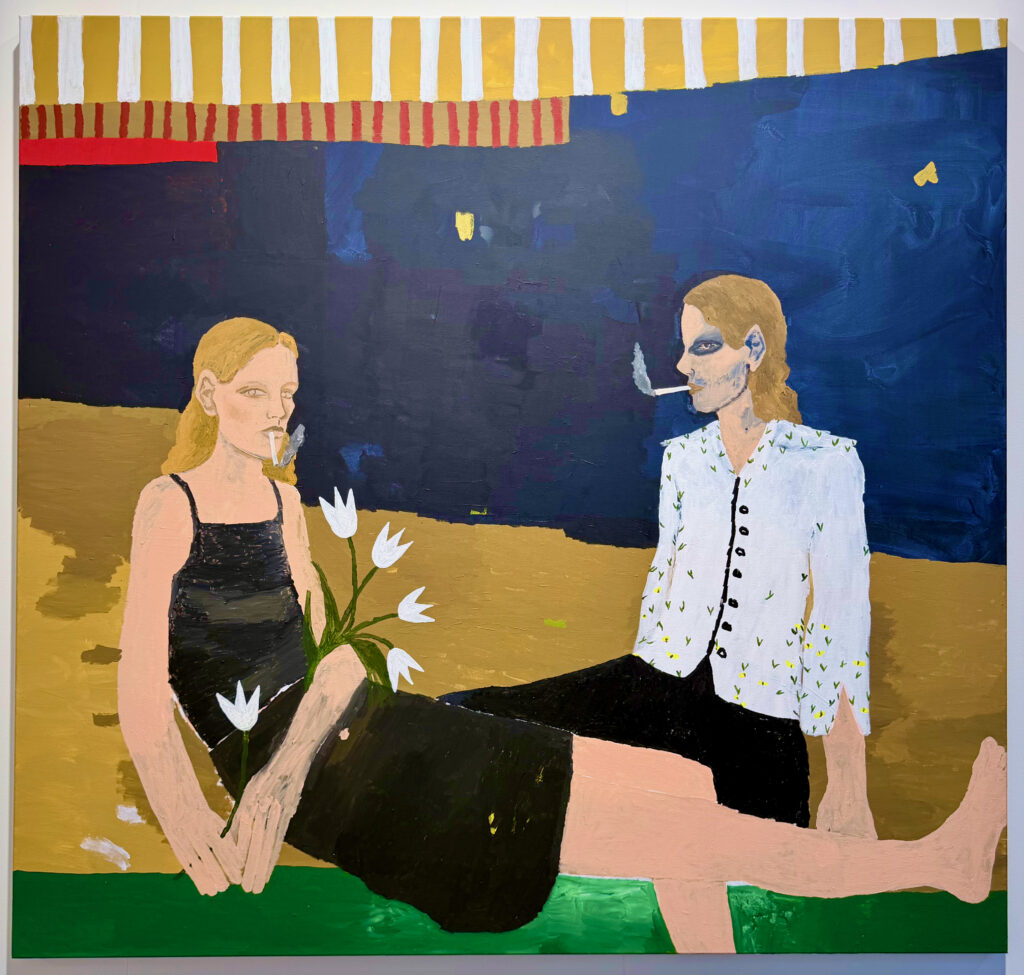
Lunita-June Dorn
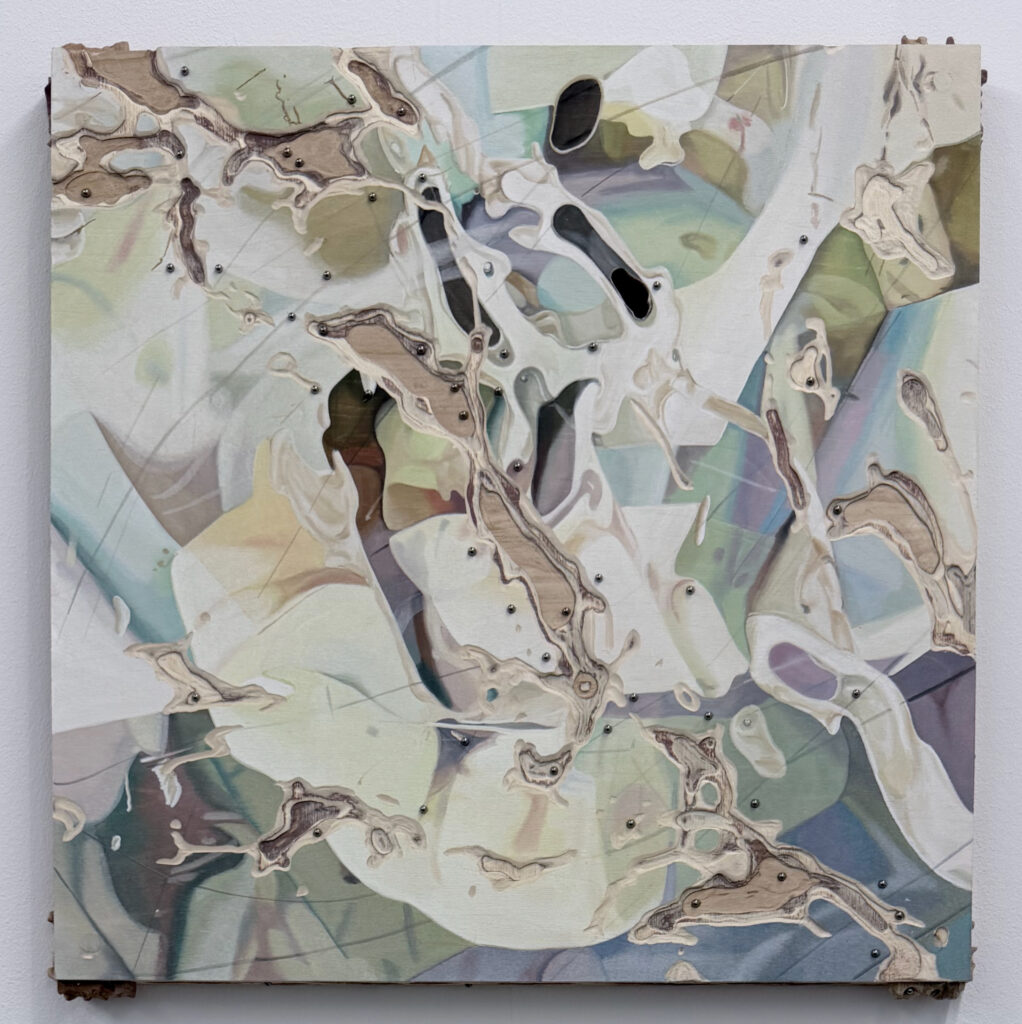
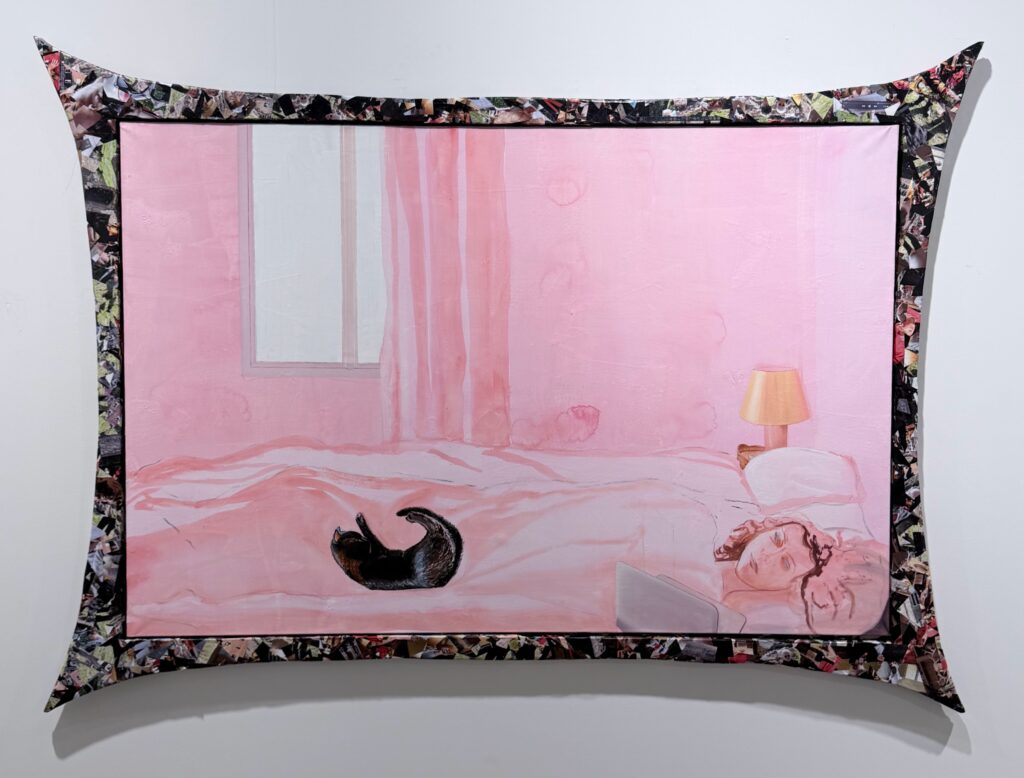
We are apparently, slowly, getting past the worst of the “porous interspeciesism,” and good riddance; I generally found it fairly empty and often outright sanctimonious. Understandably, artists are still preoccupied with our relationship to nature — though now perhaps a degree more seriously. Grafting natural materials into works, often into structures they don’t belong to, seems to be one common device of juxtaposition and estrangement.
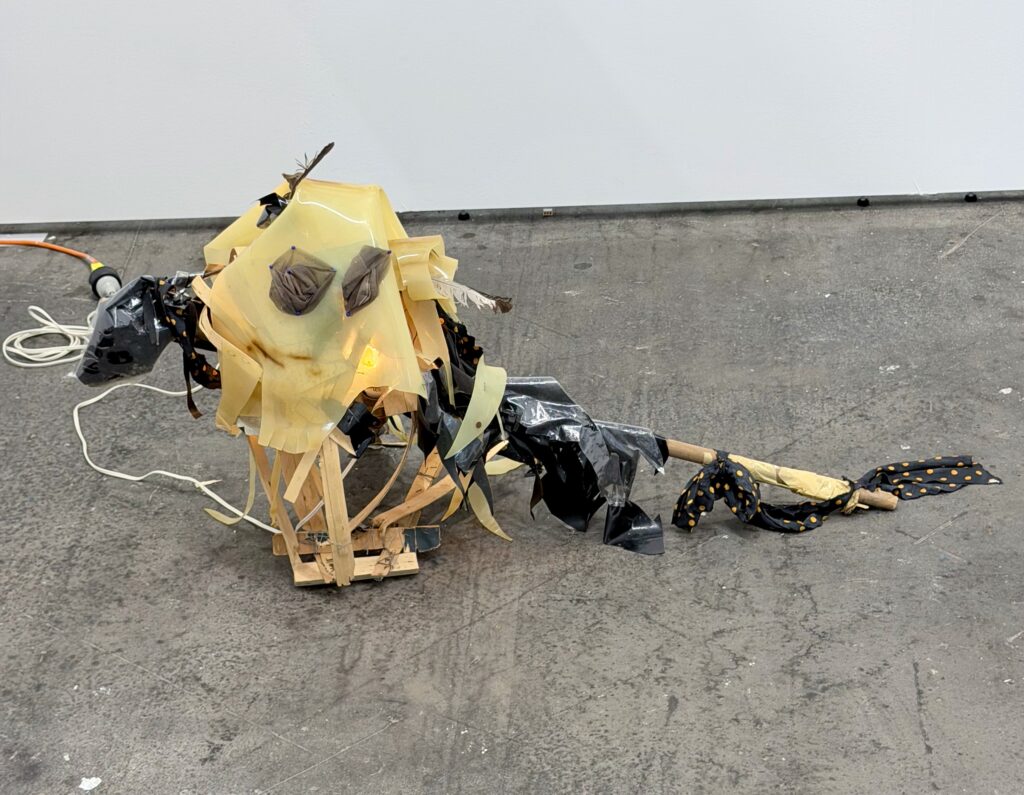
Ironically, reproducing nature by high technology — 3D printing, say — proves to me not a sensitive, searching relationship with nature but precisely the opposite: it underlines its artificiality, sometimes even its absence.
A third fairly common strategy is to lean on systems — mathematical models, for instance — that generate content from some given starting point as if automatically. It’s respectable enough; we do live in a world of processes and algorithms.
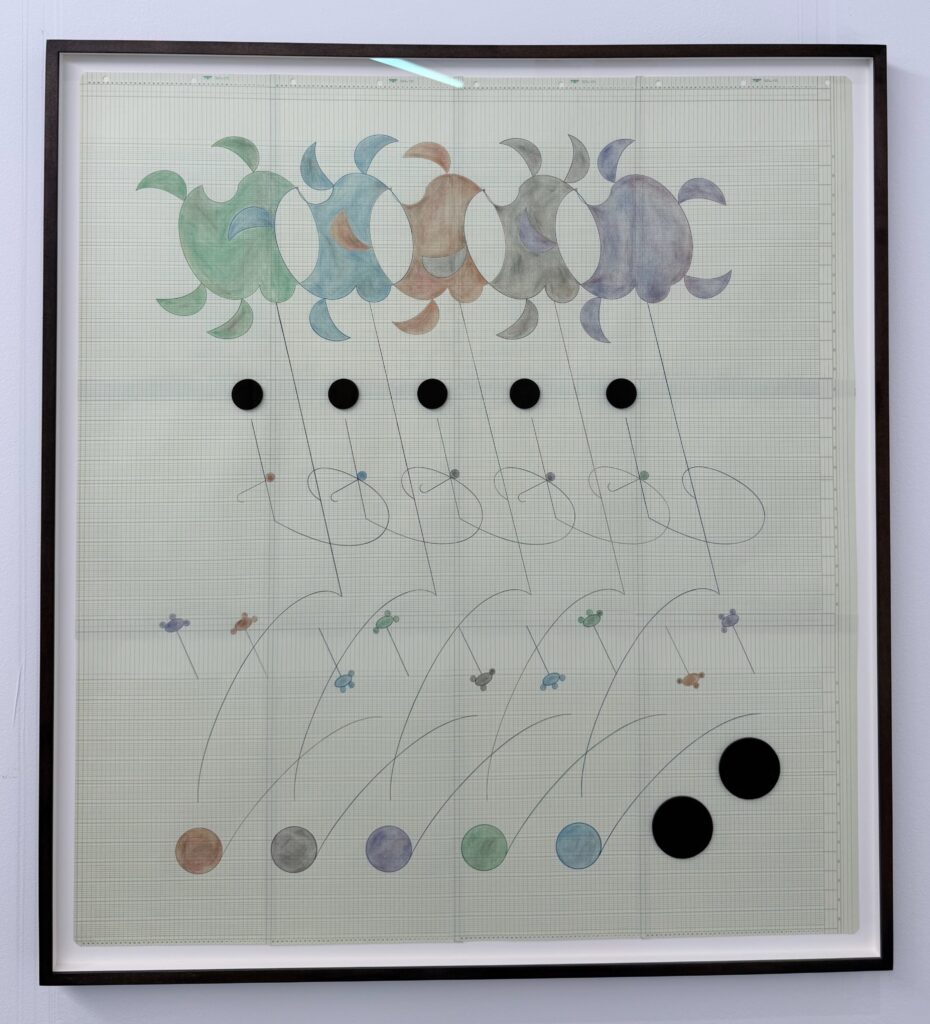
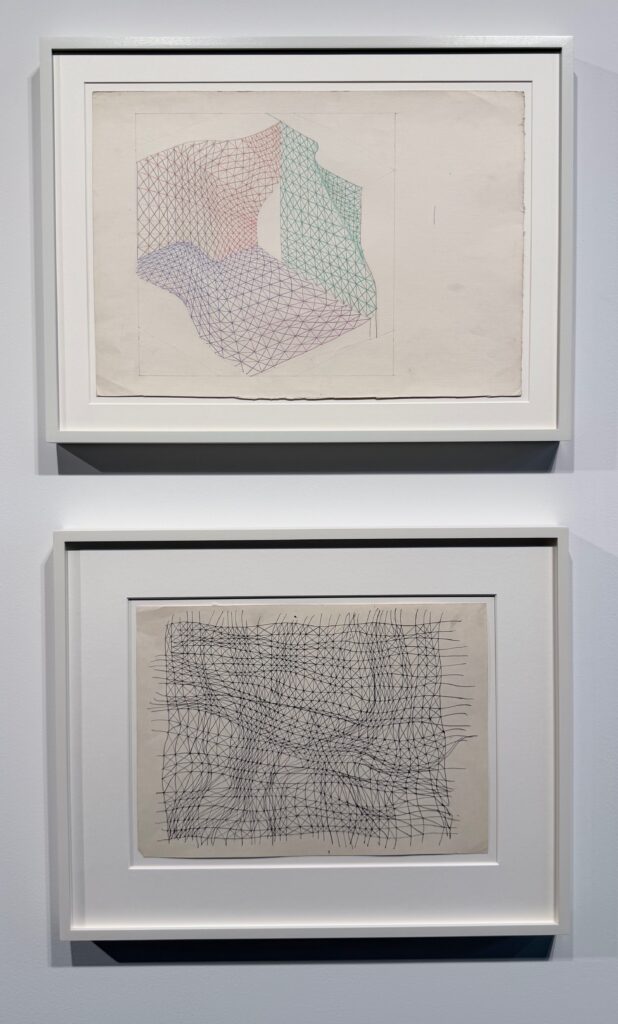
An algorithm can be, for example, an artist’s decision to collect material meeting certain criteria and organise it by some rule.
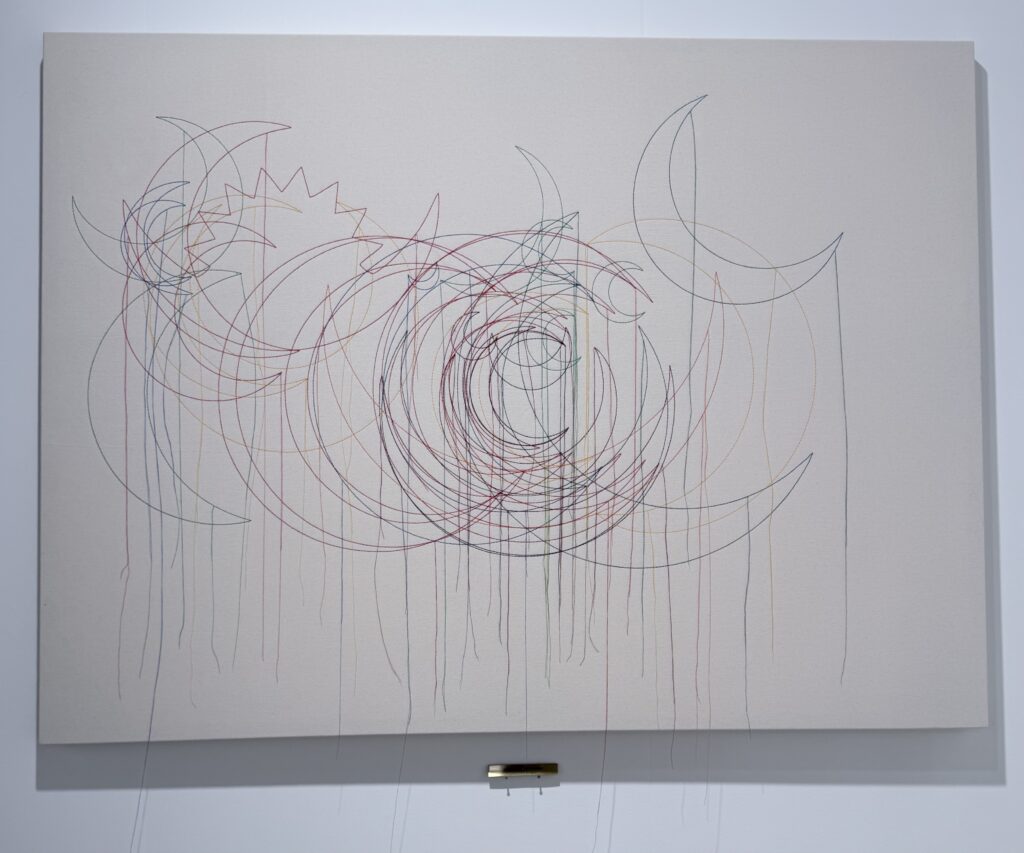
Shilba Gupta
Still, I find myself wondering how much of the method’s appeal lies in the fact that it also lightens the artist’s responsibility to choose.
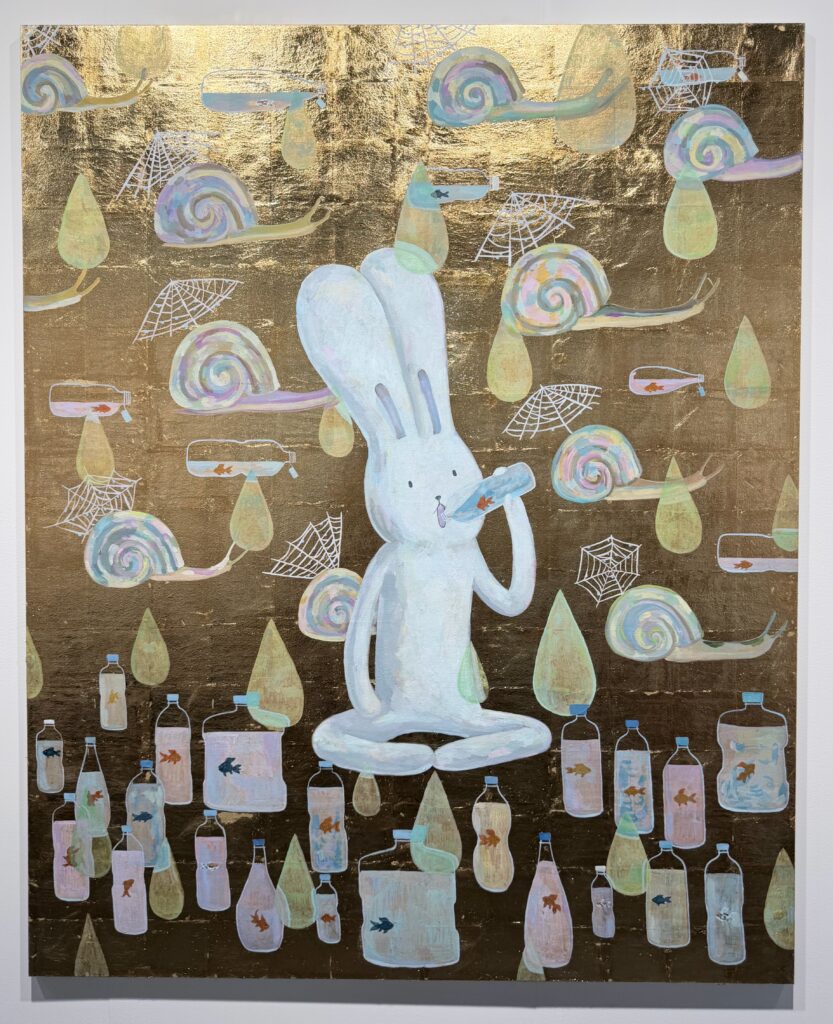
Atsushi Kaga
Fourth, I have to mention the childhood imagery haunting everything. And, symptomatically, the product world that framed childhood in particular: Disney characters, iconic toys and games. They often gesture nostalgically toward an age of innocence, but with very little coaxing they can also be made to hint that there was never any innocence at all.
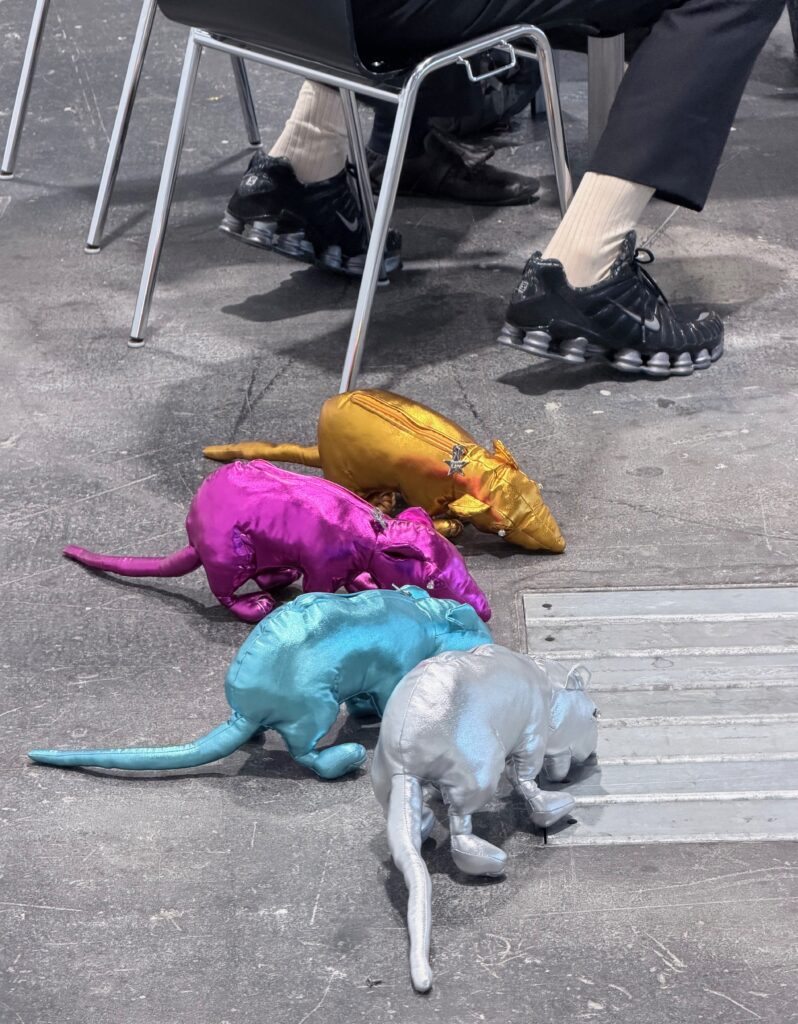
(weareble sculptures)
Esben Weile Kjær
To me they also seem to mark the generation of a maker who understands their life to have been commodified from earliest childhood on.
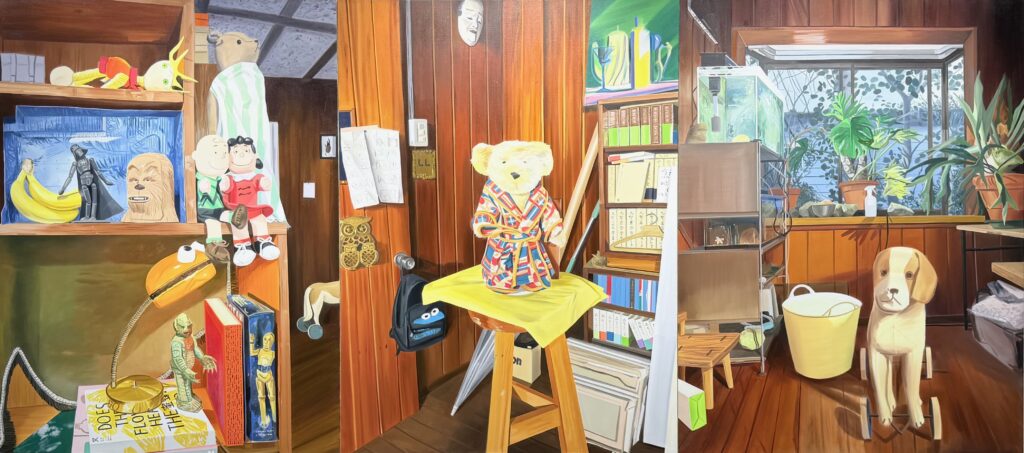
Ulala Imai
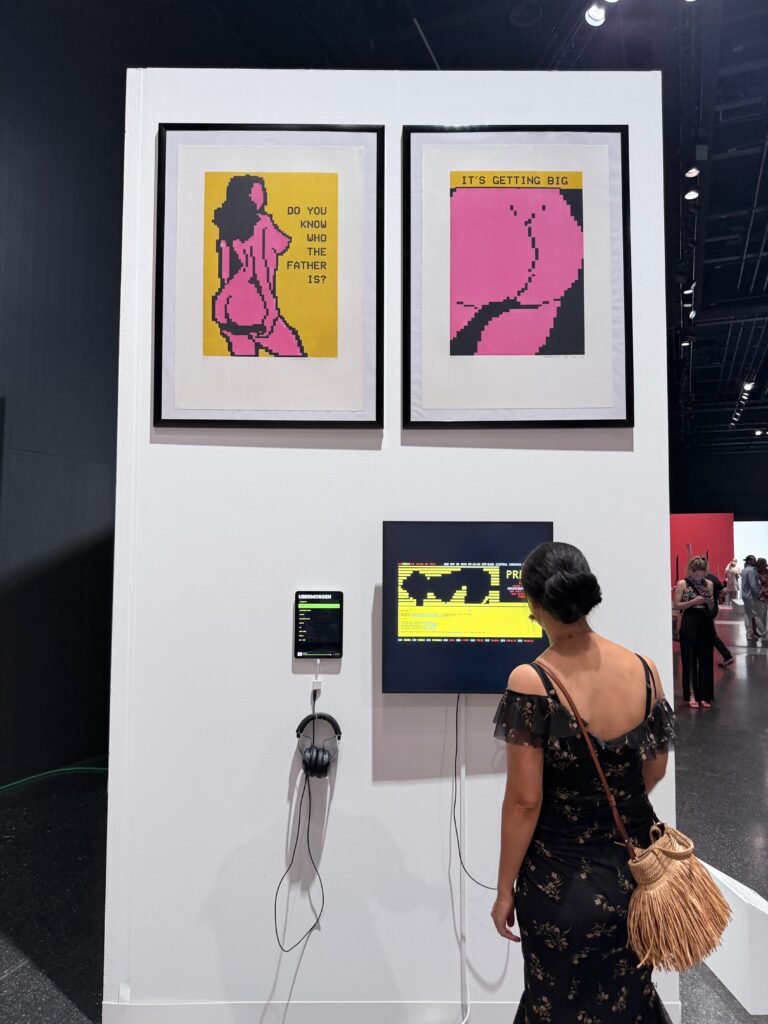
!Mediengruppe Bitnik,
etoy, JODI, UBERMORGEN,
Studer/van den Berg
The fifth and final observation is bound up with digital art, which now — with the Zero 10 launch if nothing else — belongs to the centre of Basel too. It is nothing new for art to seize on the latest technological development the moment it comes within reach. Artists have taken up, with greedy curiosity, new paints and pigments, theories of perspective, tools like photography and film. When a new device arrives that can produce some new thing, artists at the very least play with it. Once they can afford to, at any rate.
For the same reason, even good makers have from time to time let slip works whose content shows off, to an embarrassing degree, what the new technique or device does, rather than what the artist can express with it. No need to be scandalised by that either. Such is life.
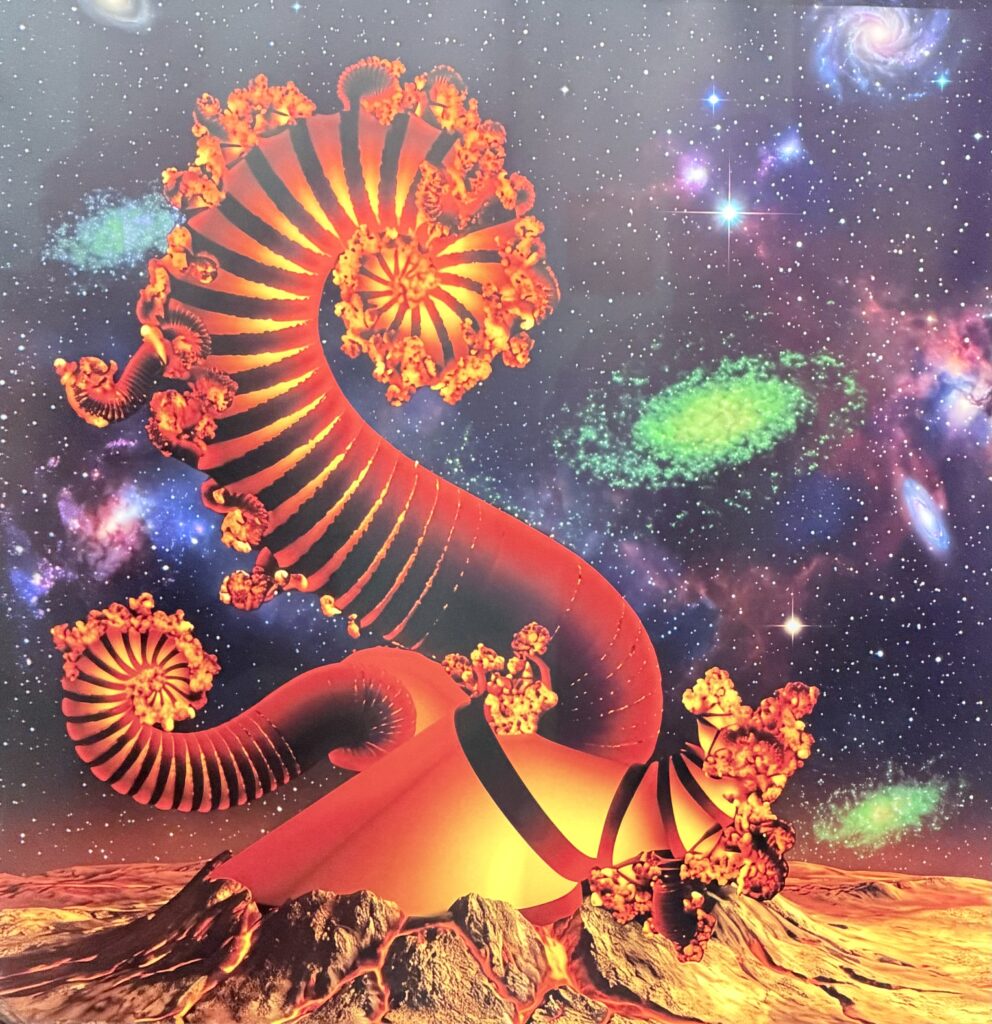
Yoichiro Kawaguchi
But as the trend spreads to real scale, it’s worth asking what the phenomenon is about. I mean works that in a gallery come across as faintly transgressive, but would be far too tame for a goa-trance party — toward which, in a certain spirit, they nonetheless feel a pull.
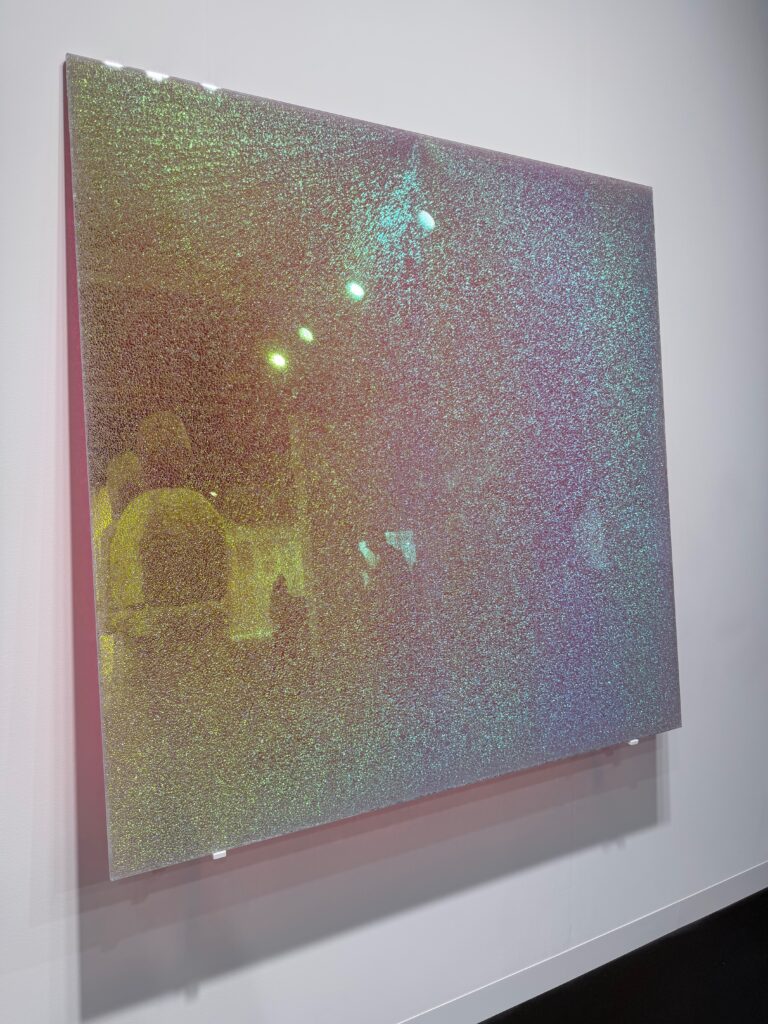
Ann Veronica Janssens
I find this fascinating. Having seen my share of party visuals, many of the biennial versions strike me as bland. It’s hard not to compare them with their rave cousins, which often feel distinctly more powerful, more laborious, even more profound than their tidier gallery counterparts.
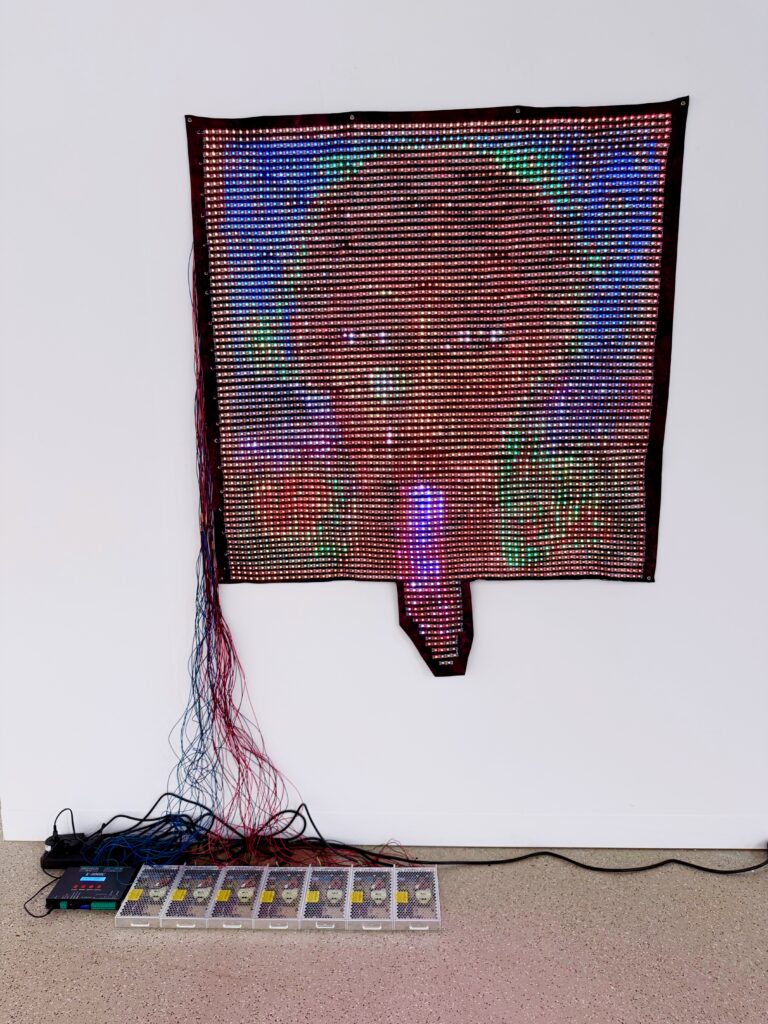
Ei Arakawa-Nash
Why? Because they have a job to do. They serve the dance floor, the night, the shared moment, and pretend to be nothing else. In a gallery no one seeks or shares ecstasy; there any phenomenon must be something you can contemplate thoughtfully, hand to face. The fault is not in the technology, nor even in the spectacle. In a gallery a work is expected to furnish some justification for its existence. At a rave, immediate effect is enough.
The heart of the matter is that both the art and the one experiencing it would crave a genuine, primitive connection — but within the art frame even a very small thing can keep one from forming. I mean that prelinguistic, bodily connection that rhythm, darkness and the crowd bring into being. A space in which you don’t watch yourself.
A gallery always sets the works a little onto the examination table. It distances and tames almost any effect you like. Nor should we forget that the same happens to the viewers. At a club you can imagine hiding in the shadows and the strobe’s flicker; in a gallery the viewer is just as exposed as the work.
I fancied I saw at Art Basel, more broadly, the same family of the evasive, the sidestepping, the cautious. There is a kind of anticipation in the air, and perhaps even a wary hope of the ecstatic — something those more bodily, club-adjacent works seem to signal. It’s only that the trends pull in different directions, and out of that comes precisely that peculiar sense of irresolution. The market, at least, is not yet pointing clearly anywhere.
If renewal is on its way, it will likely begin somewhere else. Not that I see art investors as somehow against renewal, either. Rather, they have withdrawn to wait for art to shed its skin. One can’t necessarily blame them too harshly for that.
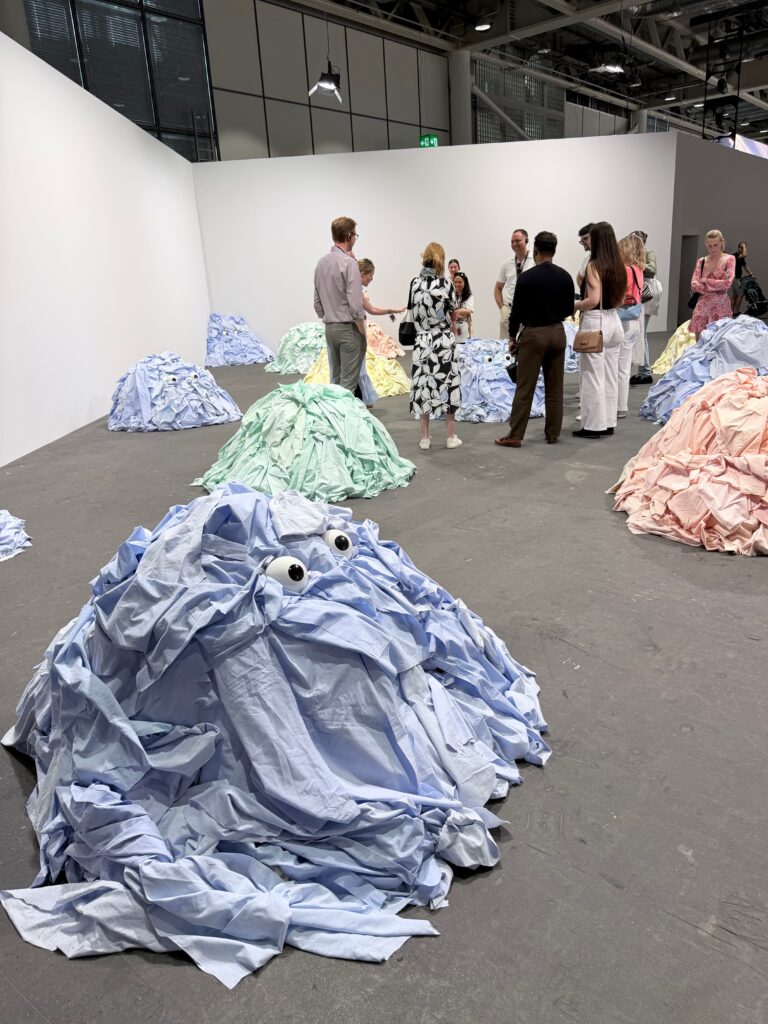
Benoît Piéron
This interests me more broadly. I regard contemporary art as a kind of testing laboratory for content: where it ends up foreshadows where meaningful content in general is heading. That is why its irresolution is more than an internal matter for the art world.
This makes Art Basel and events like it all the more interesting to us. Contemporary art is one of content’s leading disciplines. In the onrush of AI slop, and in this latest upheaval in how content is produced and distributed, the direction it takes next carries great weight.
Provisions for the road to Venice: the 2022 rift and what came of it
For us, a certain rift in contemporary art burst dramatically into view in 2022. That time too we began at Art Basel, and the same year brought, in addition, both Venice and Documenta. They could not have been more different. In Venice many of the trends described here were plainly on show: the coolly distanced, illustrative style and the art-historical pastiches. Goa-trance psychedelia. To some extent the algorithmic, too.
Already at Art Basel we had noted the childhood imagery and a kind of “dopamine art,” as our reporter called it.
Documenta, on the other hand, represented the wholly opposite end. It felt as though the event were one long art-therapy workshop (though its darker tint came from the so-called antisemitism controversy, the treatment of which would require an essay of its own). Even the event’s organisation had been devolved to such an anarchic degree that working groups independently invited other working groups to join, with the result that, for instance, a New York Times reporter couldn’t establish, however hard they dug, how many artists or exhibitors the event even had.
At its most positive, that rift probably says something about how broad and various the field of contemporary art is and can be. But it may also reflect two very real problems. The most sharply professionalised end — the world of biennial professionals, collectors and investors — may have drifted too far from art’s communal task. Contemporary art is not, or at least in our view ought not to be, merely some factory turning out unique securities. And on the other side, dumping the well-meaning civil-society function onto contemporary art’s shoulders leads very quickly to something it’s hard to define exactly, but which fairly clearly has ceased to be contemporary art.
The flattest and also most dangerous conclusion would be to decide that these two ends really are now the “extremes that have gone too far,” and to measure off the optimal contemporary art of the future at the midpoint between them with a tape measure. To our mind it would be far more fruitful to regard the state of contemporary art as a field in which many kinds of tradition and influence live side by side, and which may well be able to organise itself into its next phase without much external steering. For that is what art does: it seeks new vantage points that try to see and define the core of each age.
Accompanied by these observations and thoughts, it is tremendously exciting to set off toward Venice.
Ville Kiiski
WHY THIS MATTERS
Contemporary art is more than a market or an institution. At its best, it functions as a testing ground where society experiments with new ways of seeing, feeling and making meaning. That is why moments of uncertainty are often more revealing than moments of consensus.
As artificial intelligence reshapes the production and distribution of culture, the questions explored by artists today are likely to become questions for media, education and society tomorrow. Watching contemporary art is therefore not simply about following art — it is about observing where culture itself may be heading.
QUESTION FOR THE FIELD
If contemporary art is no longer producing the most radical cultural experiments, where are those experiments taking place today?
Leave a Reply